
Peptide Sciences USA
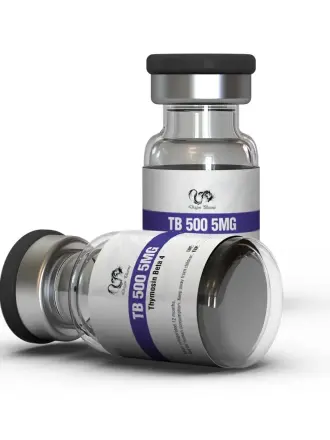
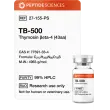
TB-500 10 mg
- Active Substance: Thymosin Beta-4 (TB-500)
- Concentration: 10 mg per vial
- Pack Size: Single vial (lyophilized powder)
- Manufacturer: Peptide Sciences USA
- Brand Name: TB-500
- Molecular Formula: C38H65N11O14
- Molecular Weight: 889.0 g/mol
- Sequence: Ac-LKKTETQ
- Synonyms: TB-500, Thymosin Beta-4 Fragment, Fequesetide
TB-500 10 mg – Wave of Regenerative Healing
Launch Your Healing Research
Picture a lab where tissues mend, inflammation fades, and recovery accelerates. TB-500 10 mg from Peptide Sciences USA fuels breakthroughs. This synthetic Thymosin Beta-4 analog promotes tissue repair and reduces inflammation, driving transformative studies in tendon healing, neuroprotection, and regenerative health. It's your wave for pioneering healing research, crafted for visionary researchers like you.
The Science Behind Regenerative Healing
TB-500 (sequence: Ac-LKKTETQ) is a synthetic 7-amino-acid peptide derived from the active region of Thymosin Beta-4, a 43-amino-acid protein. It binds to actin, inhibiting polymerization to promote cell migration, angiogenesis, and tissue repair. In animal studies, TB-500 (2–8 mg/week, 4–6 weeks) increased re-epithelialization by 41% in 4 days and reduced inflammation.
It upregulates microRNA-146a, suppressing inflammation-related cytokines (e.g., IRAK1, TRAF6), and promotes autophagy in neurological injury models. The 10 mg vial is ideal for injectable research into tendon repair, cardiovascular health, and neuroprotection.
Why TB-500 10 mg Fuels Your Studies
TB-500 isn't just a peptide—it's a wave that redefines regenerative research. Here's what makes it shine:
- Tissue Repair: Accelerates wound healing by 41% in 4 days.
- Tendon Healing: Enhances tendon repair and flexibility.
- Anti-Inflammatory: Reduces pro-inflammatory cytokines.
- Neuroprotection: Promotes autophagy and neuron survival in injury models.
- Top Quality: Crafted by Peptide Sciences USA with 99% purity.
With TB-500 10 mg, you're not just studying—you're fueling regenerative health breakthroughs.
Product Specifications
Peptide Sciences USA's TB-500 10 mg is your key to cutting-edge regenerative research. Here's the breakdown:
- Composition: Contains 10 mg TB-500 (C38H65N11O14, 889.0 g/mol).
- Pack Size: Single vial of lyophilized powder, requiring reconstitution for subcutaneous or intramuscular injection.
- Manufacturing: Produced by Peptide Sciences USA with 99% purity, verified by HPLC and Mass Spectrometry.
- Usage Guidelines: Reconstitute with 1–3 mL bacteriostatic water (3.3–10 mg/mL). Inject 2–8 mg weekly (split into 2–3 doses) for 4–6 weeks, followed by 2–4 mg weekly maintenance. Dosing is experimental for research only. Use under professional supervision.
- Storage: Store lyophilized powder at -20°C for long-term stability or 4°C for short-term use (up to 6 weeks). After reconstitution, refrigerate at 2–8°C and use within 4 weeks.
- Safety: Common side effects include mild injection site reactions, headaches, or transient lethargy; oversight required.
This peptide is for research purposes only, driving discoveries in regenerative and anti-inflammatory health.
Legal Disclaimer
TB-500 10 mg is supplied for research purposes only and is not FDA-approved, per regulations as of 2025. It is banned by the World Anti-Doping Agency (WADA) for performance-enhancing use. It is not intended to diagnose, treat, cure, or prevent any condition. Consult a licensed professional before use. Peptide Sciences USA assumes no liability for misuse. All information is educational and based on preclinical and clinical research.
Frequently Asked Questions
What is TB-500 used for?
TB-500 is studied for tissue repair, tendon healing, inflammation reduction, and neuroprotection in research.
What does TB-500 do for the brain?
It promotes neuroprotection by reducing oxidative stress and enhancing autophagy in spinal cord injury and stroke models.
Which is better BPC or TB-500?
TB-500 excels in promoting cell migration, angiogenesis, and tendon repair, making it ideal for regenerative research. Consult a professional to determine suitability for specific studies.
Does TB-500 heal tendons?
Yes, TB-500 enhances tendon repair and flexibility in animal models by promoting cell migration and reducing inflammation.
What are the side effects of TB-500 in research?
Mild side effects include injection site reactions, headaches, or transient lethargy; oversight required.
Related Products